

Exploring the rich history of gambling through the ages
The Origins of Gambling
The history of gambling dates back thousands of years, with its roots tracing back to ancient civilizations. Archaeological evidence suggests that various forms of gaming were present in ancient China, India, and Egypt. The earliest known dice, made from animal bones, have been found in these regions, indicating that chance-based games were part of the social fabric. Engaging in activities at poker websites is just one modern reflection of gambling’s rich legacy. Gambling served various purposes, from entertainment to divination, suggesting that its appeal was deeply woven into human culture.
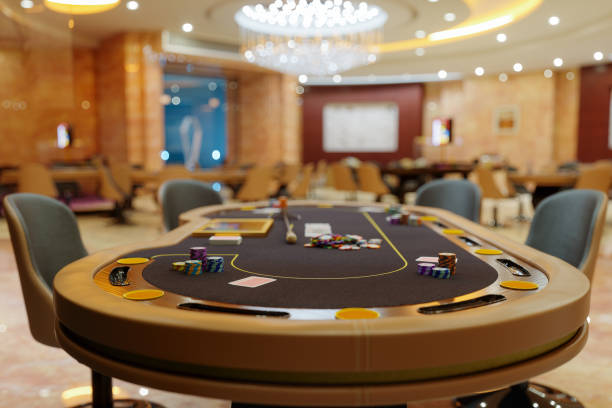
As societies evolved, so did gambling. The Greeks and Romans integrated games of chance into their social gatherings, with betting on athletic competitions becoming a popular pastime. These early forms of gambling laid the groundwork for the more organized and sophisticated games that would emerge in later centuries. The development of rules and betting structures transformed gambling into a more structured activity that captivated players across the ages.
The Middle Ages and the Rise of Gaming Houses
During the Middle Ages, gambling became intertwined with the cultural and social dynamics of Europe. The establishment of gaming houses, particularly in cities like Venice and Paris, marked a shift toward more regulated forms of gambling. These establishments provided a venue for various games, including card games and dice, fostering a burgeoning gambling culture among the aristocracy.
As the popularity of gambling grew, so did the need for regulation. Various laws were enacted to govern gaming houses and protect players from deceitful practices. This period also saw the emergence of the first official gaming laws, which aimed to create a fair playing field. The blending of entertainment and wagering set the stage for the modern casino experience, where players could engage in games with established rules and oversight.
The Birth of Modern Casinos
The 18th century heralded the birth of modern casinos, particularly in Italy, where the first official casino, the Ridotto, opened its doors in 1638. This venue provided a regulated environment for gambling, featuring games like faro and baccarat. The concept spread quickly throughout Europe, leading to the establishment of grand casinos in cities such as Monte Carlo, which became synonymous with luxury and high-stakes gambling.
During this era, innovations such as the roulette wheel and standardized card decks were introduced, enhancing the gambling experience. The rise of casinos was not merely a trend; it represented a significant shift in societal attitudes towards gambling, transitioning from an underground activity to a mainstream form of entertainment. The influence of casinos would eventually transcend borders, leading to the proliferation of gambling establishments worldwide.
Gambling in the 20th Century
The 20th century saw gambling undergo dramatic transformations, driven by technological advancements and changing societal norms. The advent of the internet revolutionized the gambling landscape, making it accessible to a global audience. Online casinos emerged, offering players the ability to gamble from the comfort of their homes, significantly altering traditional gambling practices.
Additionally, legislative changes in various countries led to the legalization and regulation of gambling, resulting in an increase in revenue for governments. This era also witnessed the rise of sports betting, which became a significant aspect of the gambling culture. The diverse offerings and convenience of modern gambling have made it an integral part of contemporary entertainment.

Conclusion: The Future of Gambling
The history of gambling is a fascinating journey that reflects the evolution of human society. From ancient dice games to modern online casinos, gambling has adapted to cultural shifts and technological advancements. Today, it remains a popular pastime, intertwining with various forms of entertainment and leisure.
As we look to the future, the gambling industry continues to innovate. Online platforms enhance user experience with virtual reality and live dealer games, captivating a new generation of players. The rich history of gambling informs its present and will undoubtedly shape its future, ensuring that this age-old pastime continues to thrive. The website serves as a platform to explore and enjoy the dynamic world of gambling, embracing both its storied past and its promising future.